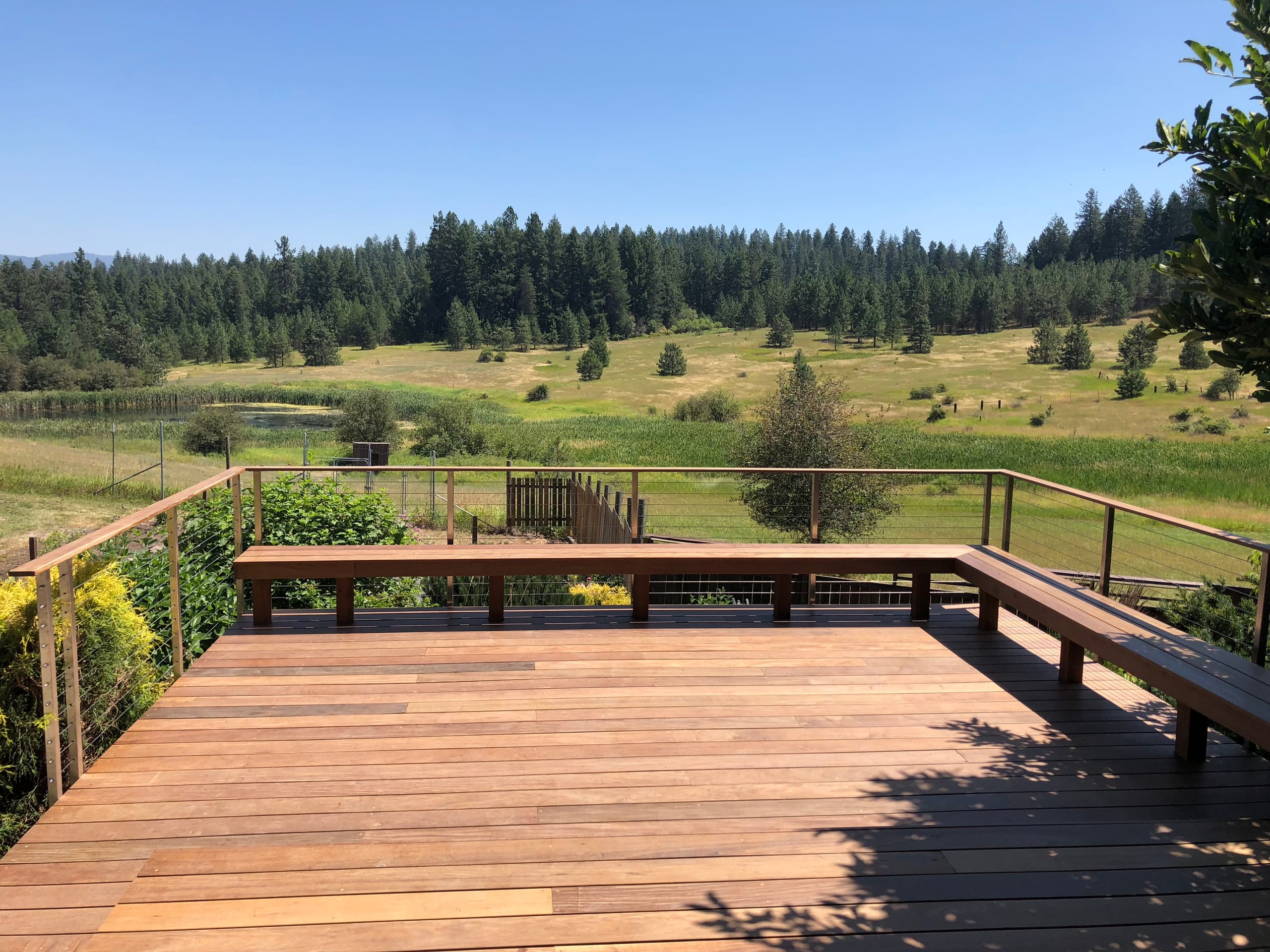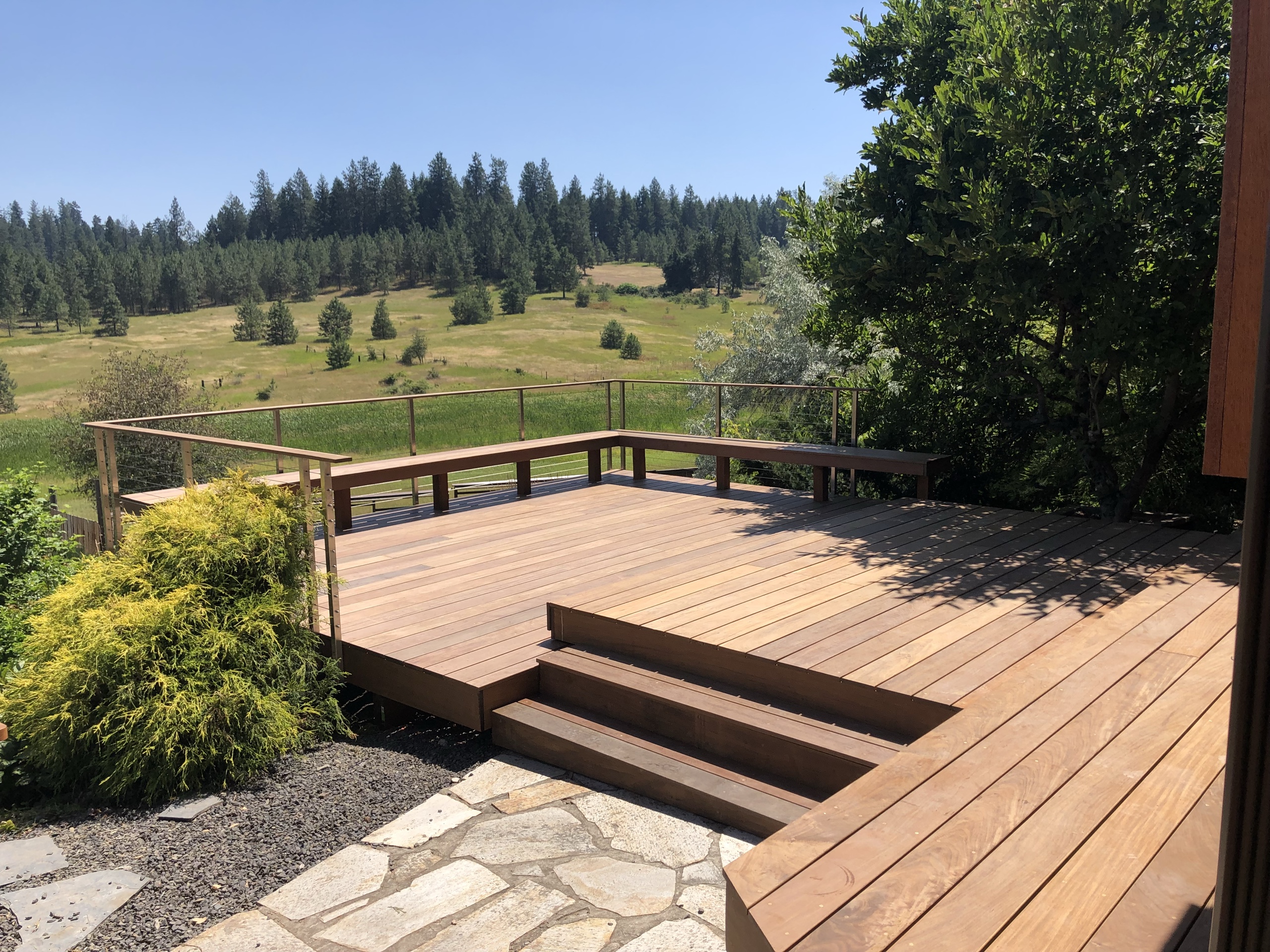

Reddish composite deck with wide steps and cable-style railing overlooking pasture, meadow and pines with flagstone path

Decking & Railing

Wood Decking in Idaho Falls, ID

Dynamic Decks Idaho Falls builds custom wood decks for homeowners who want real grain and are willing to care for it. We help you compare cedar, redwood, pressure-treated boards, ipe, tigerwood, and cumaru by look, build details, availability, and the upkeep you are comfortable taking on.

Proudly made in the USA

Request a Free Estimate

No obligation. We'll get back to you fast.

Photos of the space help us picture the site before we visit.

No files selected

You can upload up to 10 images (10 MB max. per file; larger photos are made smaller for you). Accepted file types: JPG/JPEG, PNG, WebP, AVIF, HEIC, and HEIF.

Required fields are marked with an asterisk. We use these details to start the right conversation about your project.

Choose Wood for Its Character and Its Upkeep

No two wood boards look exactly alike. That grain and variation are a big part of why people choose wood decking instead of a manufactured surface.

We also want to talk about what happens after installation. Sun, moisture, snow, and foot traffic change how the boards look over time. The right wood is one you will still be happy to care for after the first season.

Idaho Falls also has structural design conditions that sit beneath the surface choice. The City lists a 30-inch frost depth and a 47.1 PSF ground snow load. We plan the footings, frame, stairs, railing, and any covered portion around the site and applicable requirements, then coordinate the selected wood with that structure.

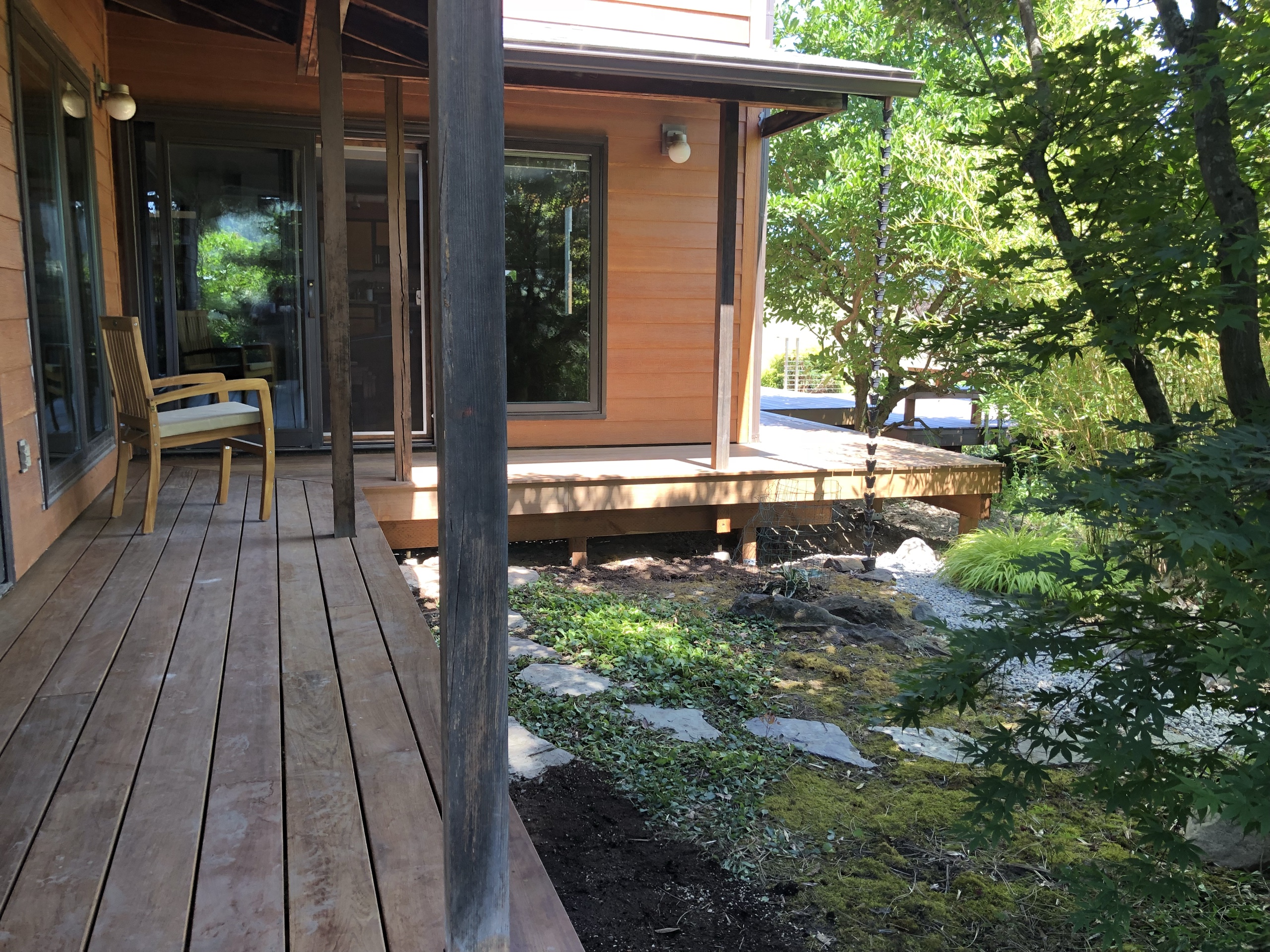
Red-brown hardwood porch deck at a modern cabin with chair, stepping stones and garden
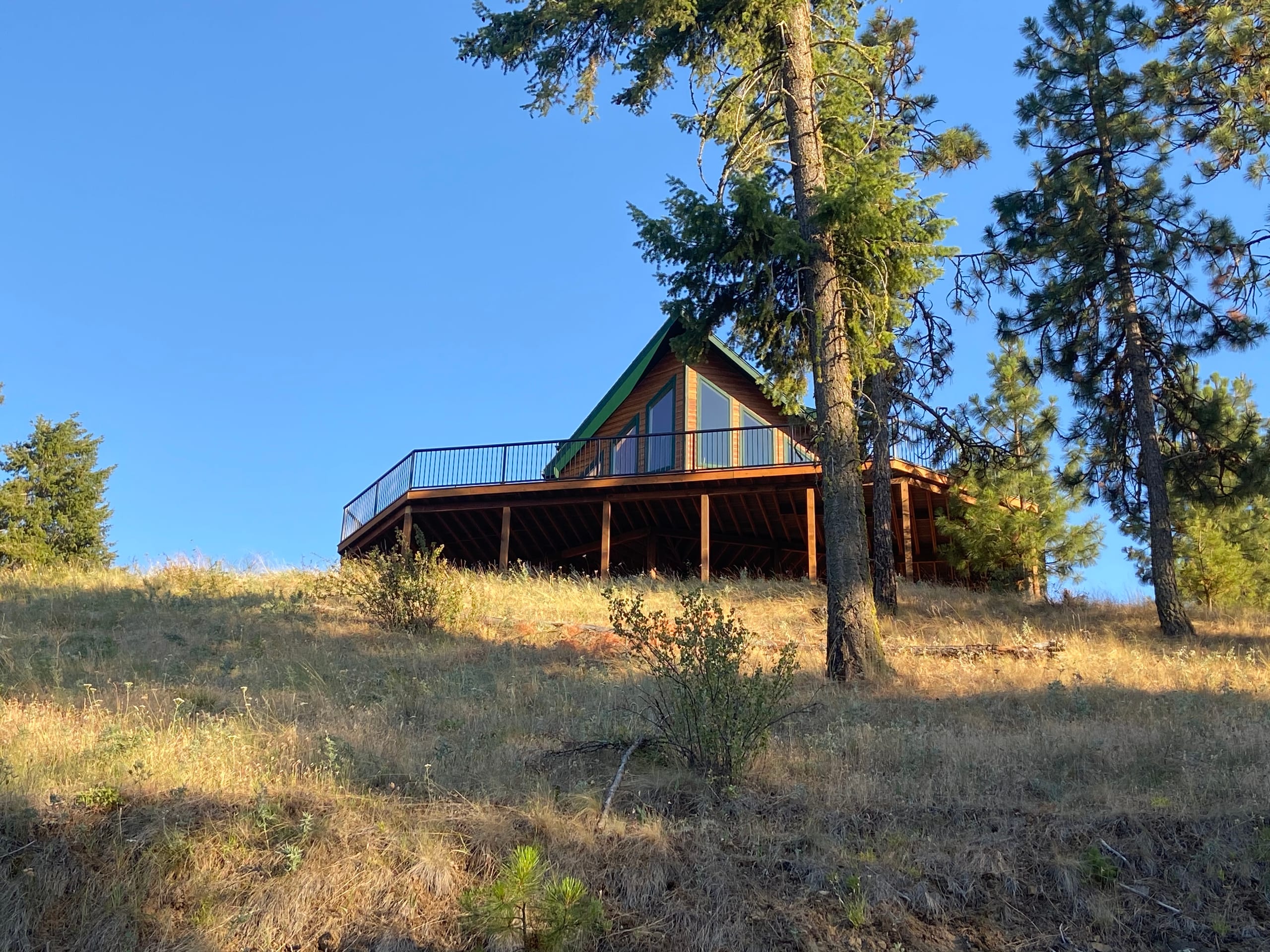
Wraparound elevated wood deck on an A-frame house on a grassy hillside, blue sky

Explore Related Wood Deck Projects

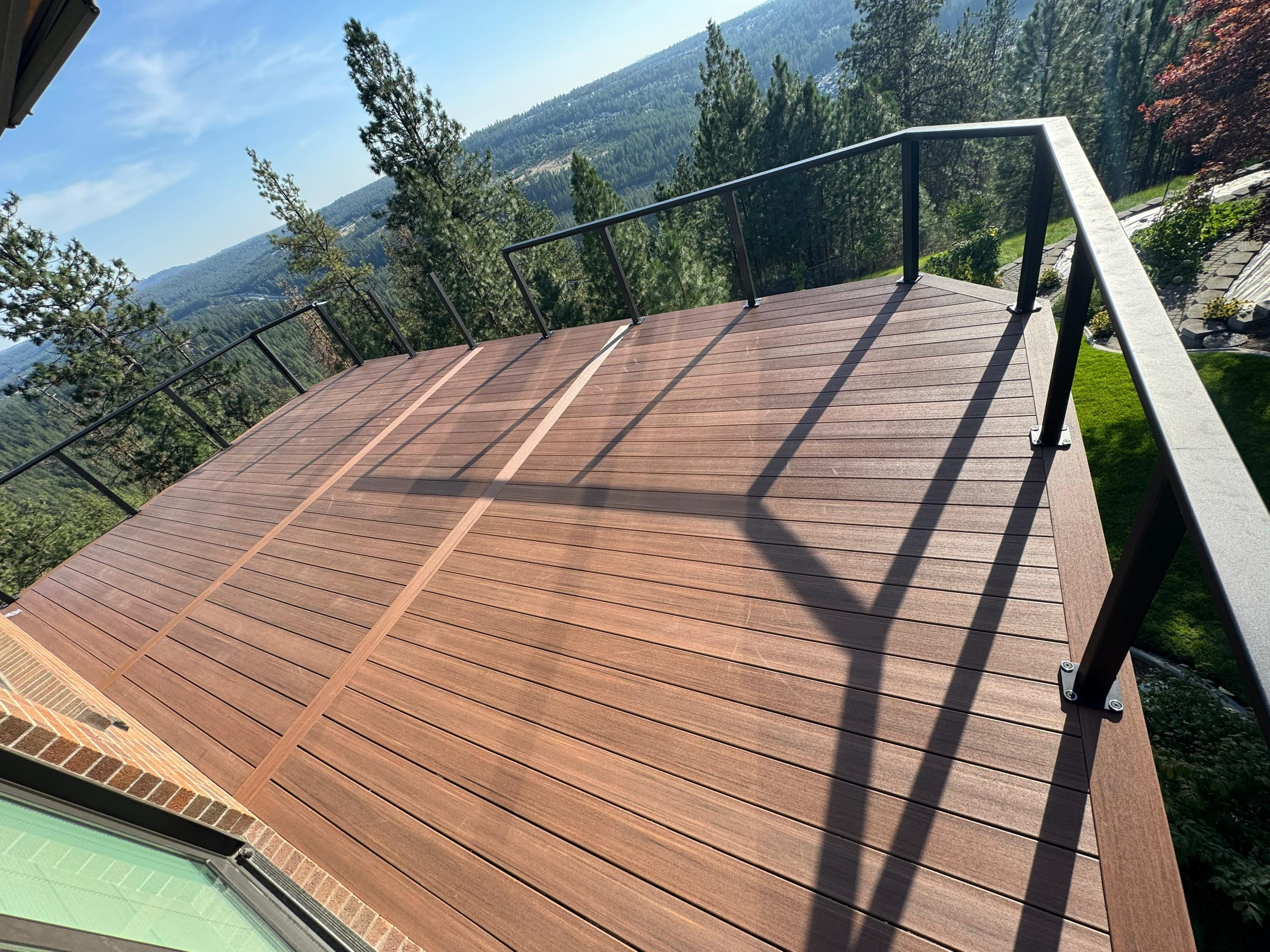
Use our project photography to look closely at board color, grain, border details, stairs, railing transitions, and how the material sits beside the home. Those details give you a better starting point than choosing from a species name alone.
View Our Gallery

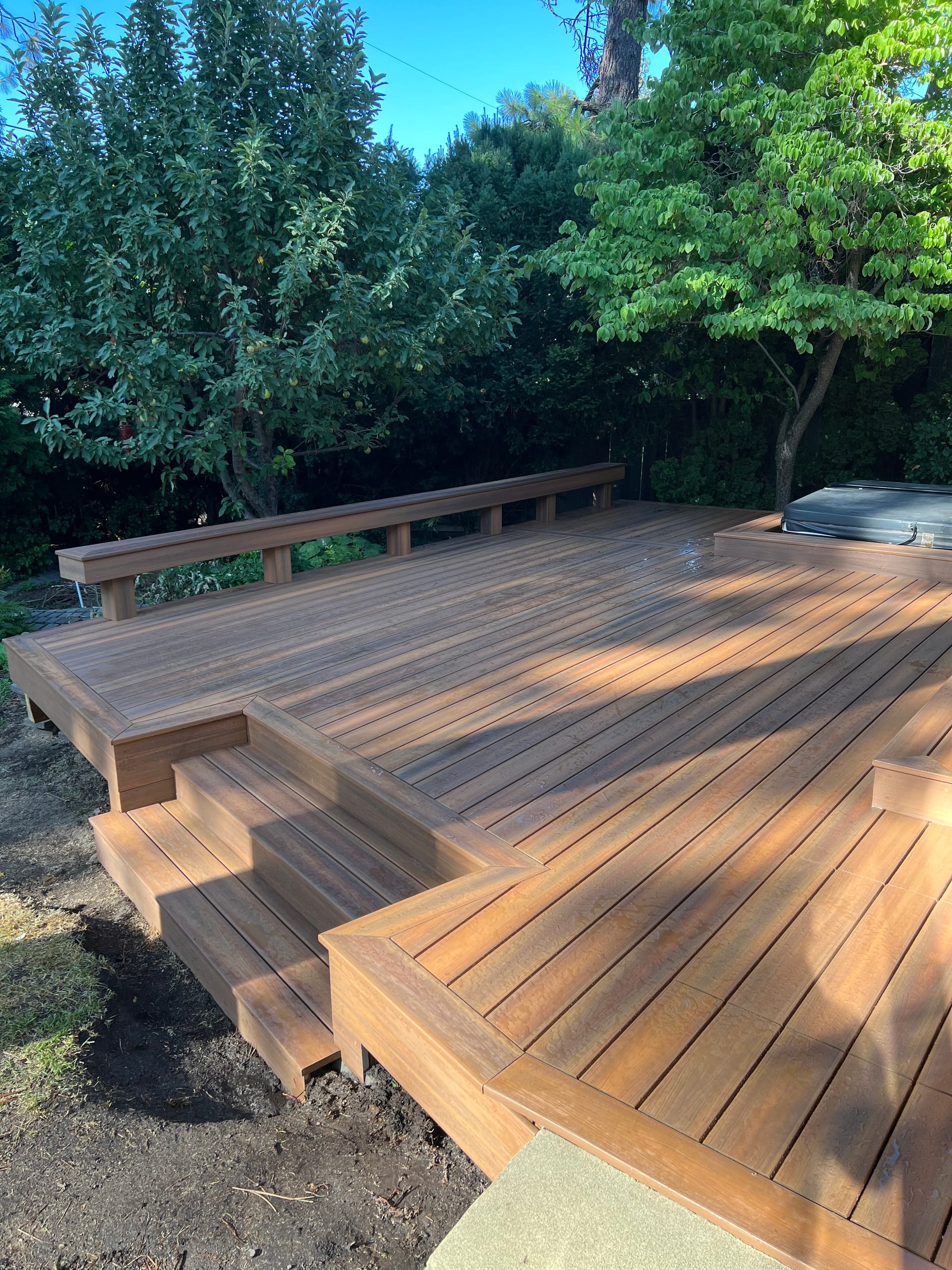
Red-brown hardwood ground-level deck with steps and perimeter bench in a leafy yard

What Idaho Falls Homeowners Say About Us

Homeowner feedback can help you evaluate communication, material choices, and the construction experience. Look for comments that explain how choices were presented and how the work felt from the homeowner's side.

What Our Wood Decking Service Includes

Wood deck installation is more than laying boards. We work from the property and layout through the structure and finished details. Depending on the design you approve, the proposal can include:

  • Site review and design consultation
  • Custom layout and 3D deck modeling
  • Drawings and documentation for permit planning
  • Traditional concrete footings
  • A wood, steel, aluminum, pressure-treated, or PWT framing system selected for the project
  • Cedar, redwood, pressure-treated, ipe, tigerwood, or cumaru surface boards
  • Stairs, railings, fascia, skirting, privacy features, and underdeck systems included in the design
  • Coordination with a covered or screened section when part of the project

We are talking about a new wood deck here, not an ongoing staining or restoration plan. If your main need is to clean, seal, refinish, or repair an existing surface, let us identify that as a separate conversation rather than fold it into a new-deck estimate.

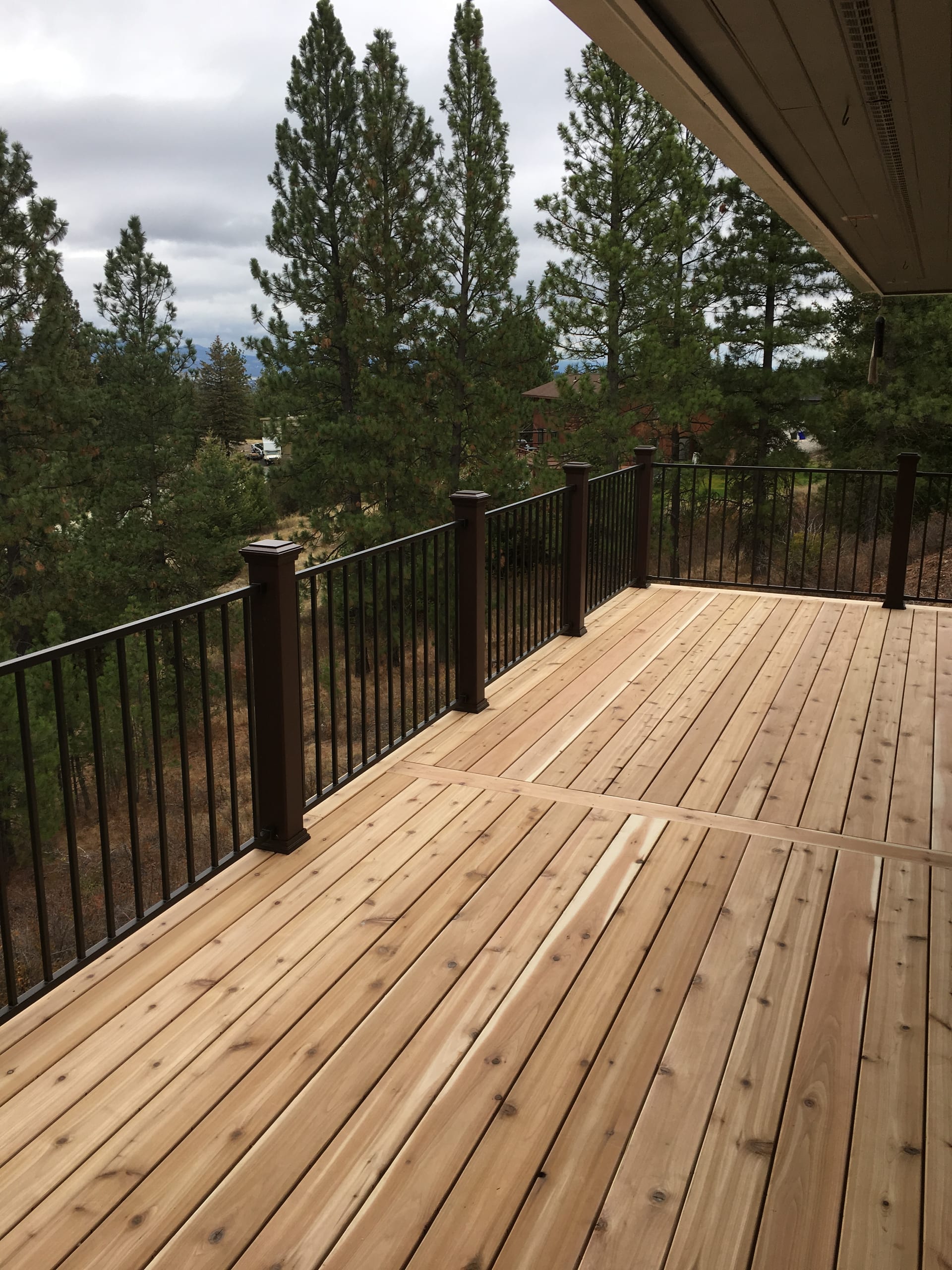
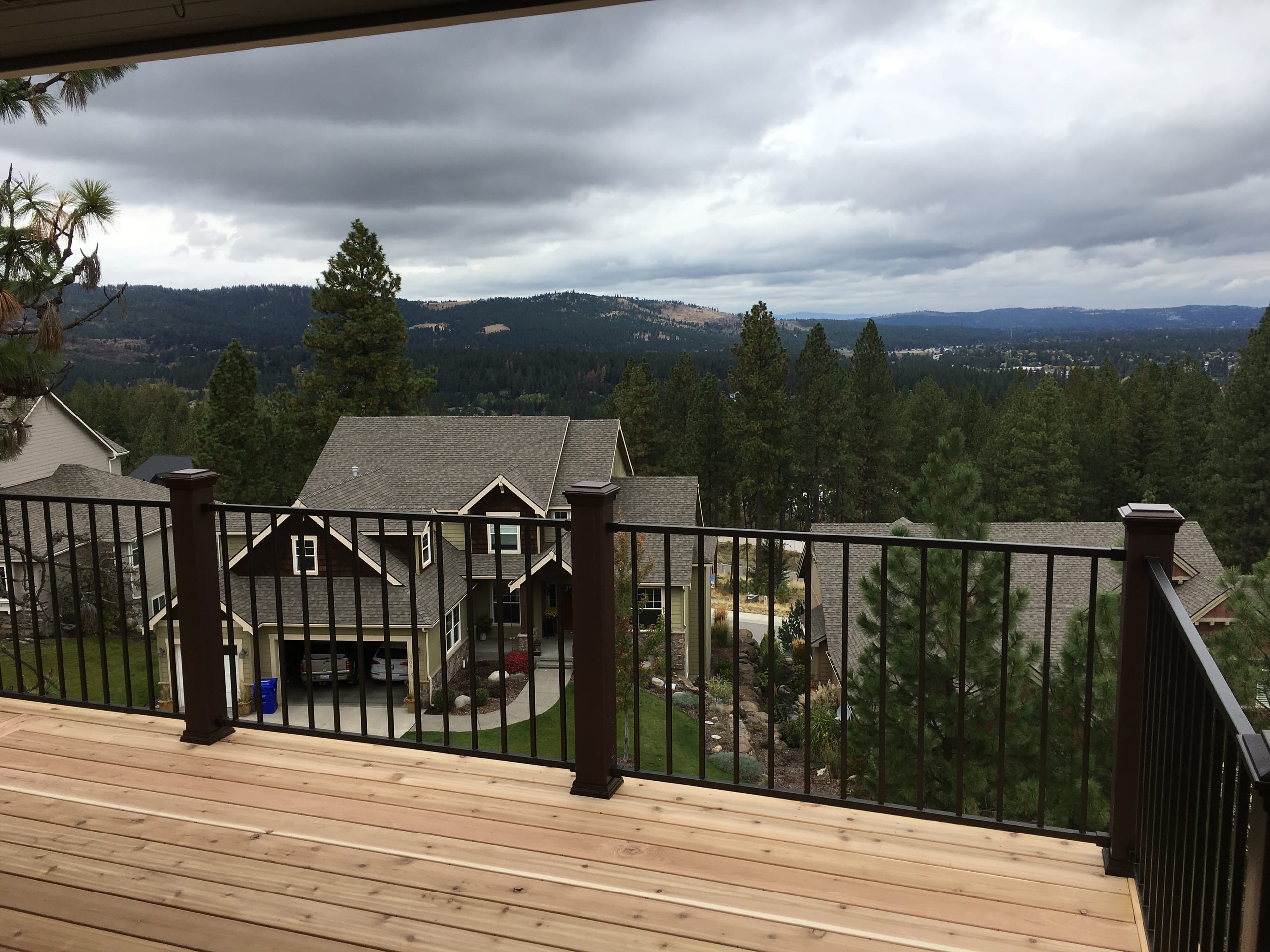
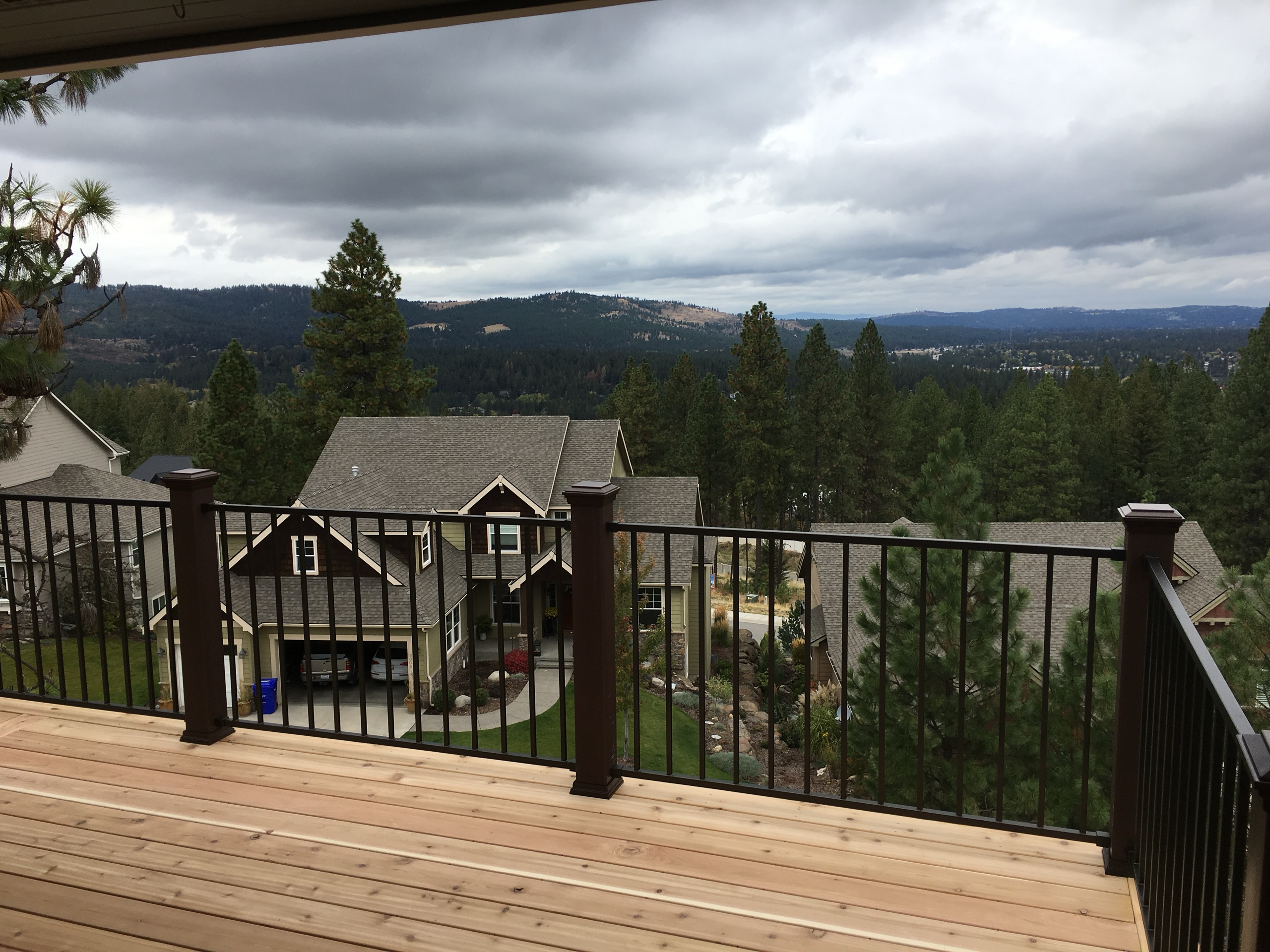
View from cedar deck over black picket railing toward wooded valley and neighboring house, stormy sky

Compare Wood Deck Board Options

We can build with cedar, redwood, pressure-treated boards, ipe, tigerwood, and cumaru. The look matters, but we also check what boards are available, how they will be installed, and what caring for that wood will ask of you.

  1. Cedar

    Cedar is a softwood with recognizable color and grain. It can suit homeowners who want a classic wood appearance and understand that a natural surface needs a maintenance plan. We also treat board selection and detailing as part of the design, because visible variation is part of the material.

  2. Redwood

    Redwood is another supported softwood option. Its color and grain can create a warm, traditional surface, while the final decision should account for available grade, desired appearance, and upkeep expectations.

  3. Ipe

    Ipe is dense, so the way we cut and fasten it needs attention. We talk through those build details along with its color and the care you expect from a natural hardwood.

  4. Tigerwood and Cumaru

    Tigerwood and cumaru are also supported exotic hardwood options. They offer different grain and color patterns from cedar, redwood, and ipe. The useful comparison is not simply softwood against hardwood; it is which material fits the desired look, budget, installation details, and willingness to maintain a natural surface.

Keep Pressure-Treated Framing and Deck Boards Distinct

Pressure-treated lumber can be used in the frame or as the walking surface. We will name which part of your deck uses it, because choosing treated framing is not the same decision as choosing the boards you walk on.

Pressure-treated boards are an option for the walking surface too. We can compare their look, availability, and upkeep with cedar, redwood, ipe, tigerwood, and cumaru, then spell out what goes on top and what goes underneath in the estimate.

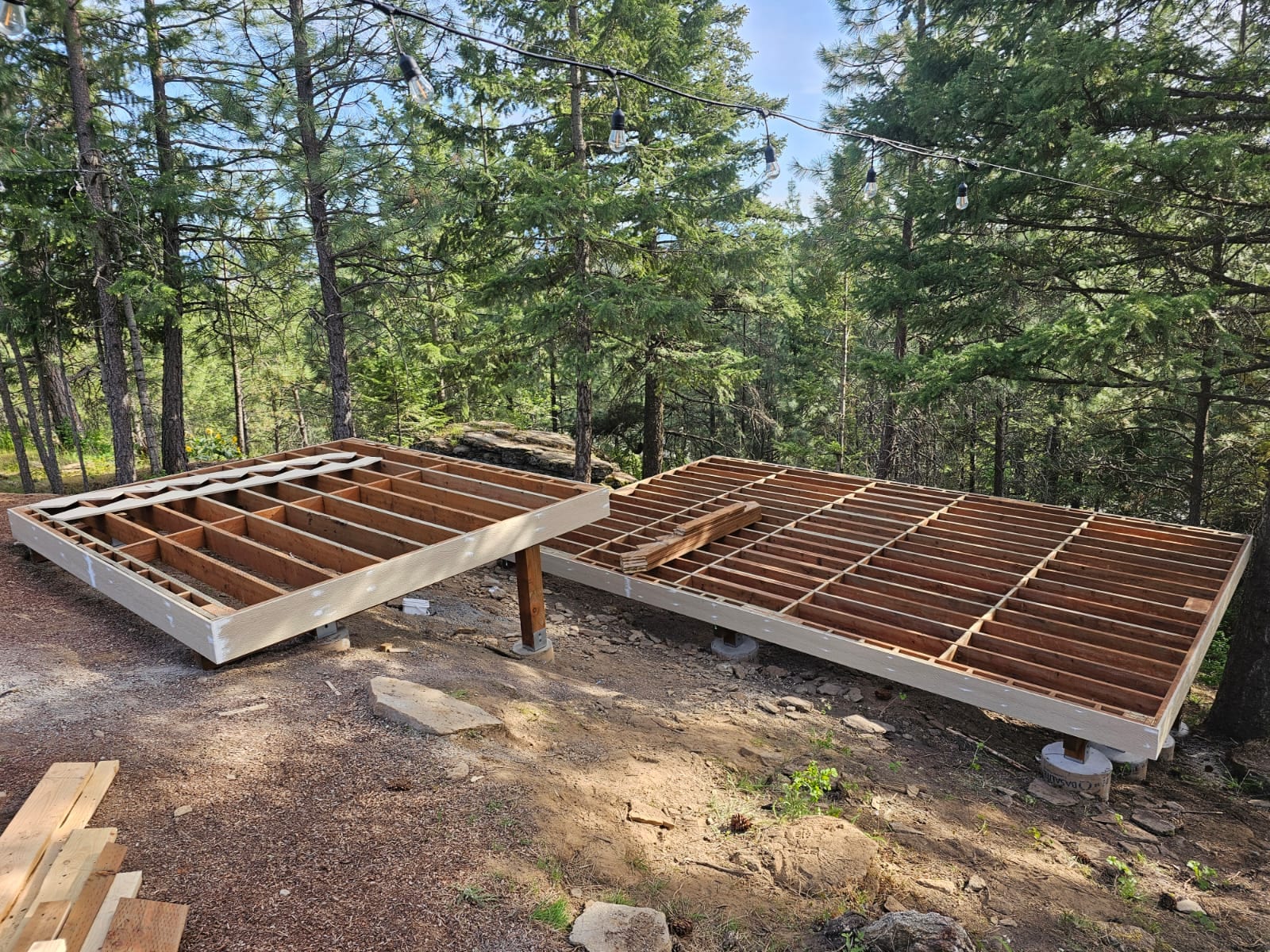
Two wood joist frames on concrete footings in a forest clearing before decking, lumber stacked nearby
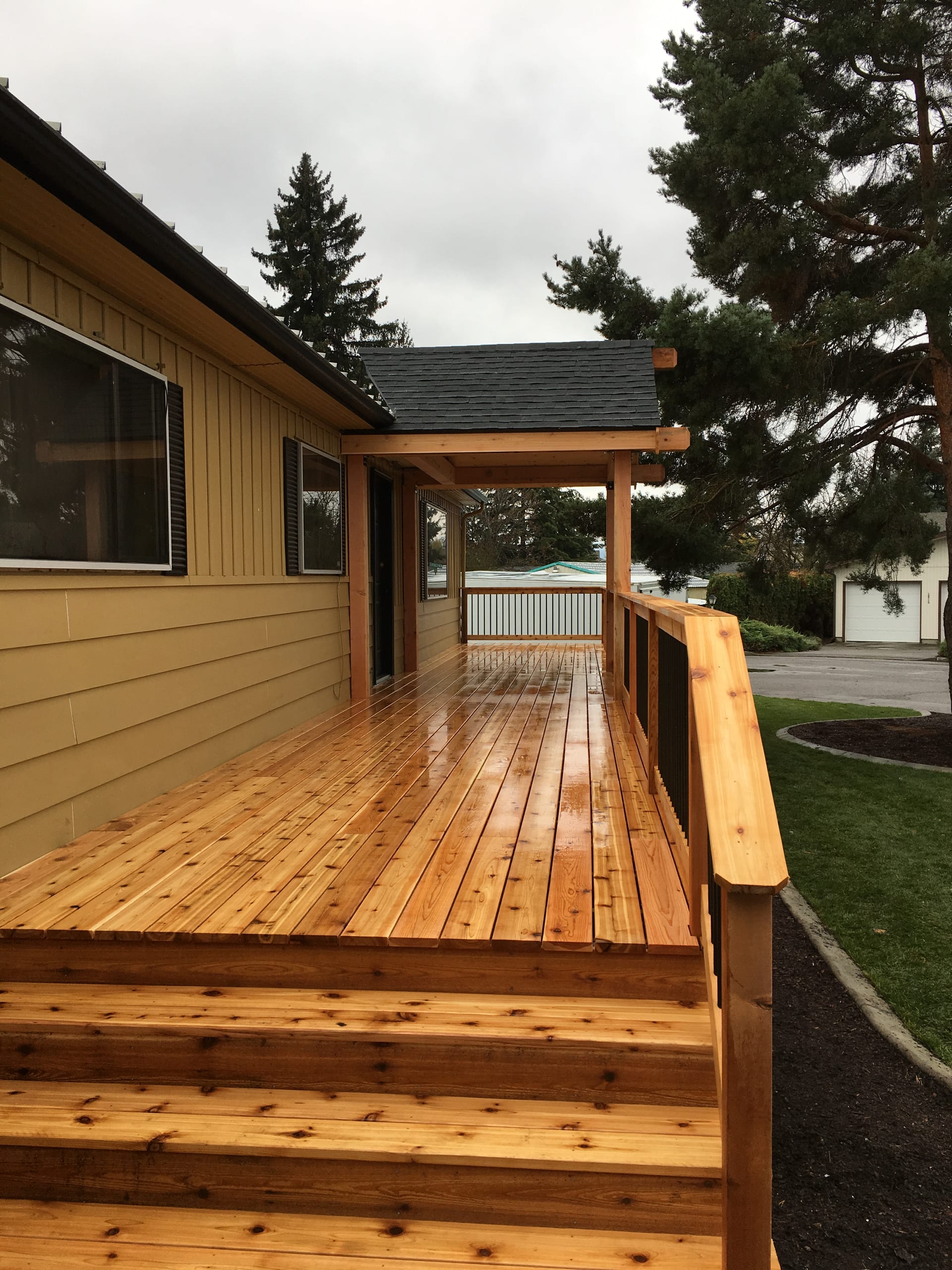
New cedar deck and wide cedar steps with wood railing beside a yellow house, wet boards

How We Detail a Wood Deck

Wood moves with changes in moisture. We account for that when we choose the boards, fastening, spacing, stairs, railing connections, and borders, rather than treating the surface as an afterthought.

We start with the structure. The site, grade, attachment, footing layout, spans, and stair path determine what sits below the boards. Then we coordinate the wood surface with the frame, railing, fascia, and drainage plan.

The goal is not to hide that the surface is natural. It is to use the grain and variation intentionally while giving the deck a clear layout and finished edges.

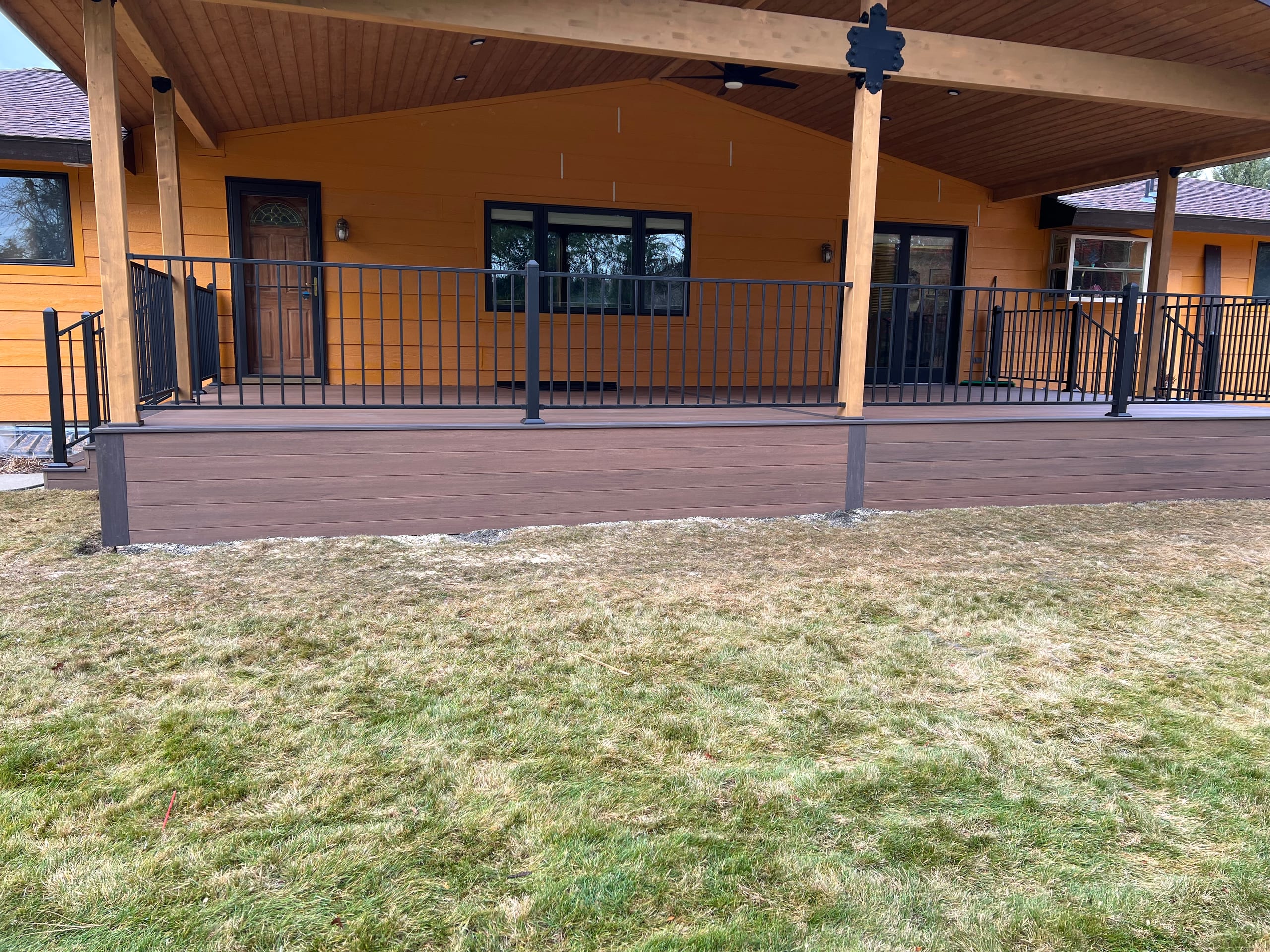
Front view of long covered deck on orange house with cedar posts

Wood Compared With Composite and PVC

Wood is the right material when its natural appearance matters enough to accept the upkeep that comes with it. Composite and PVC offer different surface systems for homeowners who want to compare manufactured boards and their care expectations.

We do not declare one family universally better. A homeowner who wants real grain and is comfortable planning for maintenance may prefer wood. A homeowner who wants to reduce surface-maintenance demands may be better served by composite decking or PVC decking.

That decision should happen before colors and railing styles take over the conversation. The material family changes how the deck looks, feels, and needs to be cared for.

What Shapes a Wood Deck Estimate

Species is one cost driver, but it is not the whole estimate. Deck size, elevation, framing system, board dimensions, fastening details, stairs, railing, skirting, covered sections, site access, and the complexity of the layout all affect the scope.

Two decks can have the same square footage and very different estimates. An elevated ipe deck with several stair runs needs a different plan from a low cedar platform. We will show the design and materials behind the number.

New cedar wood deck with black picket railing under roof overhang, pine trees behind
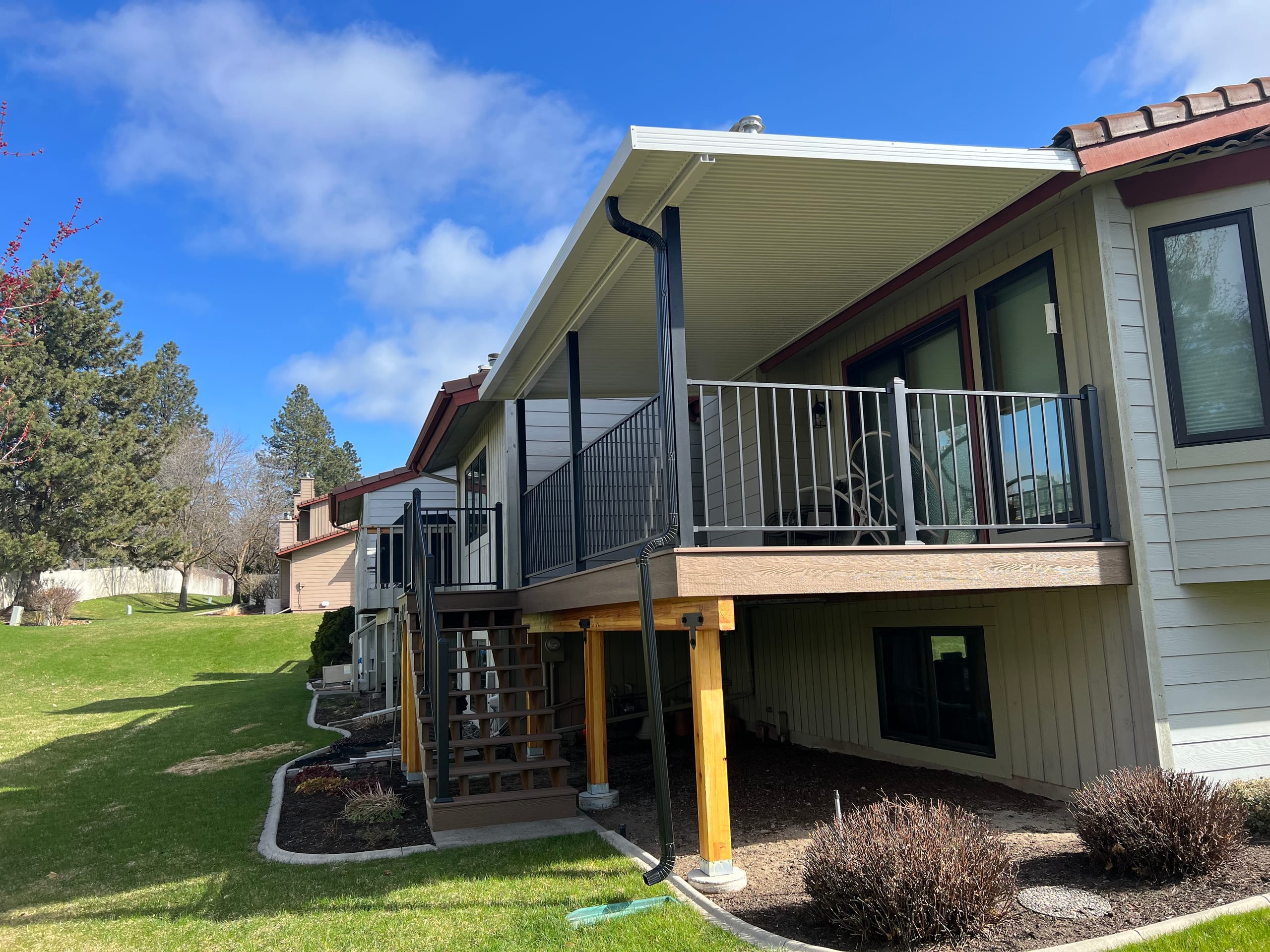
Raised deck with white metal-panel roof cover, black railing and stained posts below on beige two-story house, green lawn

What Shapes the Project Schedule

Timing begins with design, product availability, permit needs, HOA review when applicable, and seasonal site conditions. Dense hardwood details can require different planning from a simpler softwood layout, while a covered deck adds another structural layer.

We work through layout, material selection, framing, railing, and documentation before setting construction expectations. Until those decisions are made, we do not promise a fixed start date or duration.

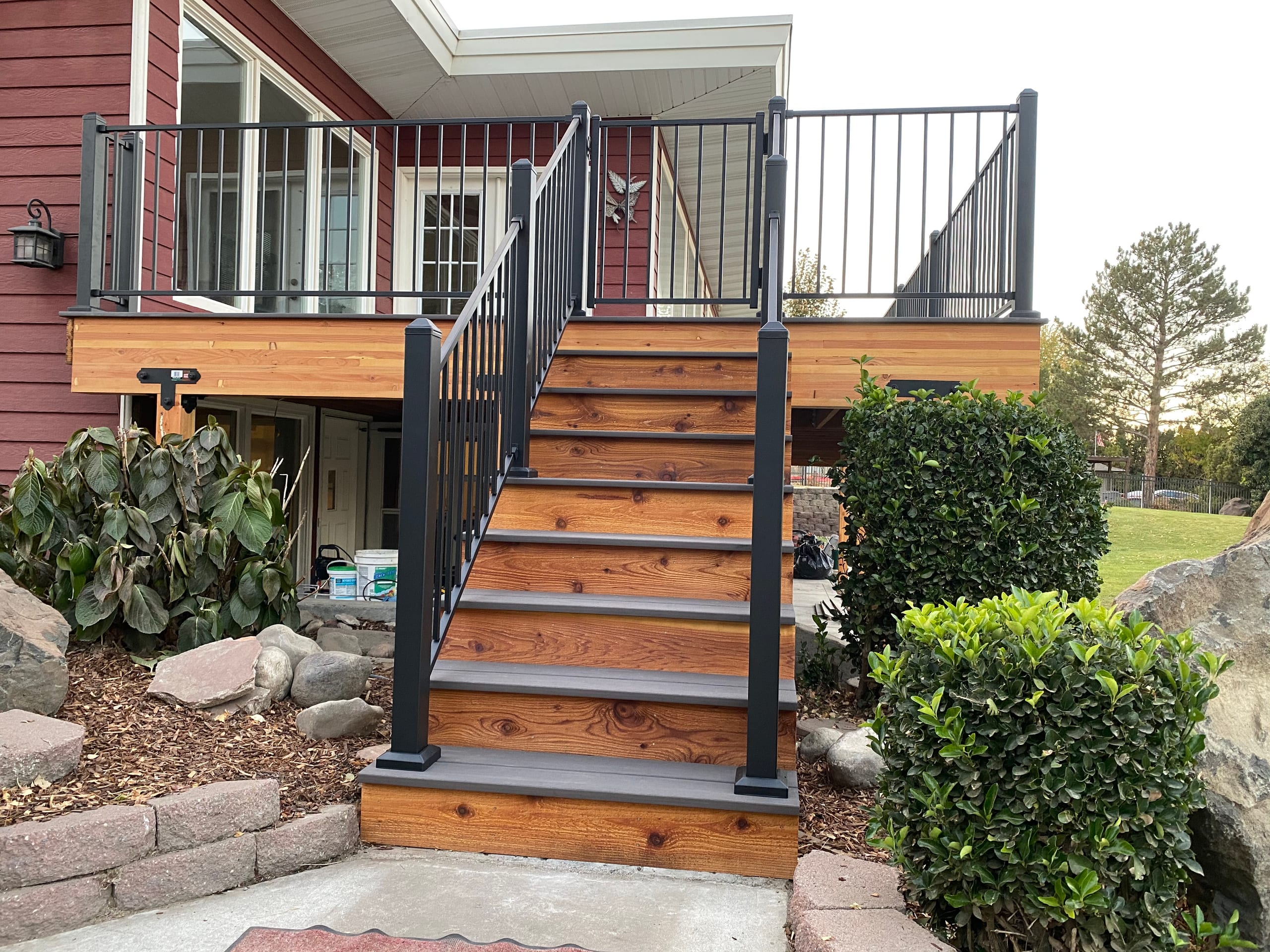
Cedar stair with gray treads and black railing leading to elevated deck on red house, rock landscaping

Check the Permit Path for Your Property

The City of Idaho Falls Building Division uses Cityworks for permit applications and inspections. The City says a permit must be obtained before regulated construction starts and lists narrow conditions for a small, low, freestanding deck to be exempt.

We include code and permit planning in the design, prepare supported drawings and documentation, and account for the City's listed frost and snow criteria. If the property is outside city limits or subject to an HOA, the applicable authority and review path may differ.

What a Wood Deck Builder Should Help You Compare

We will tell you what we like about a wood option and what it will ask of you later. There is no need to sell every homeowner the same species when the property, budget, and appetite for upkeep are different.

We can plan the deck in 3D and compare the frame and walking surface before choosing stairs, railing, and other details. Cedar, redwood, pressure-treated boards, ipe, tigerwood, and cumaru are options we can discuss for the top of the deck.

View from cedar deck over black picket railing toward wooded valley and neighboring house, stormy sky

Our First Three Steps

  1. Site and Use Consultation

    We review the property and talk through how the deck needs to function. Seating, cooking, stairs, shade, access, and the connection to the yard shape the layout before a species is selected.

  2. Wood and Design Comparison

    We compare the supported wood options, discuss the appearance and upkeep you expect, and develop the layout. A 3D deck model can help you review proportions, stairs, railing, and other major features.

  3. Permit and Approval Planning

    We prepare supported drawings and documentation for the applicable permit path and identify HOA review when it applies. The property location and project scope determine which authority and requirements control the build.

    Learn more about our deck design and consultation service.

    View our full process page

Coverage and When Wood Is the Wrong Surface

We keep our workmanship terms separate from any material or product coverage. Before you approve an estimate, ask to see the written terms for the products and work actually proposed. We will not assume one promise covers every board or finish.

Wood is the wrong surface when you want natural grain but do not want the maintenance that a natural material requires. It is also the wrong choice when you expect every board to match perfectly or stay visually unchanged. In those cases, compare manufactured deck surfaces before committing to wood.

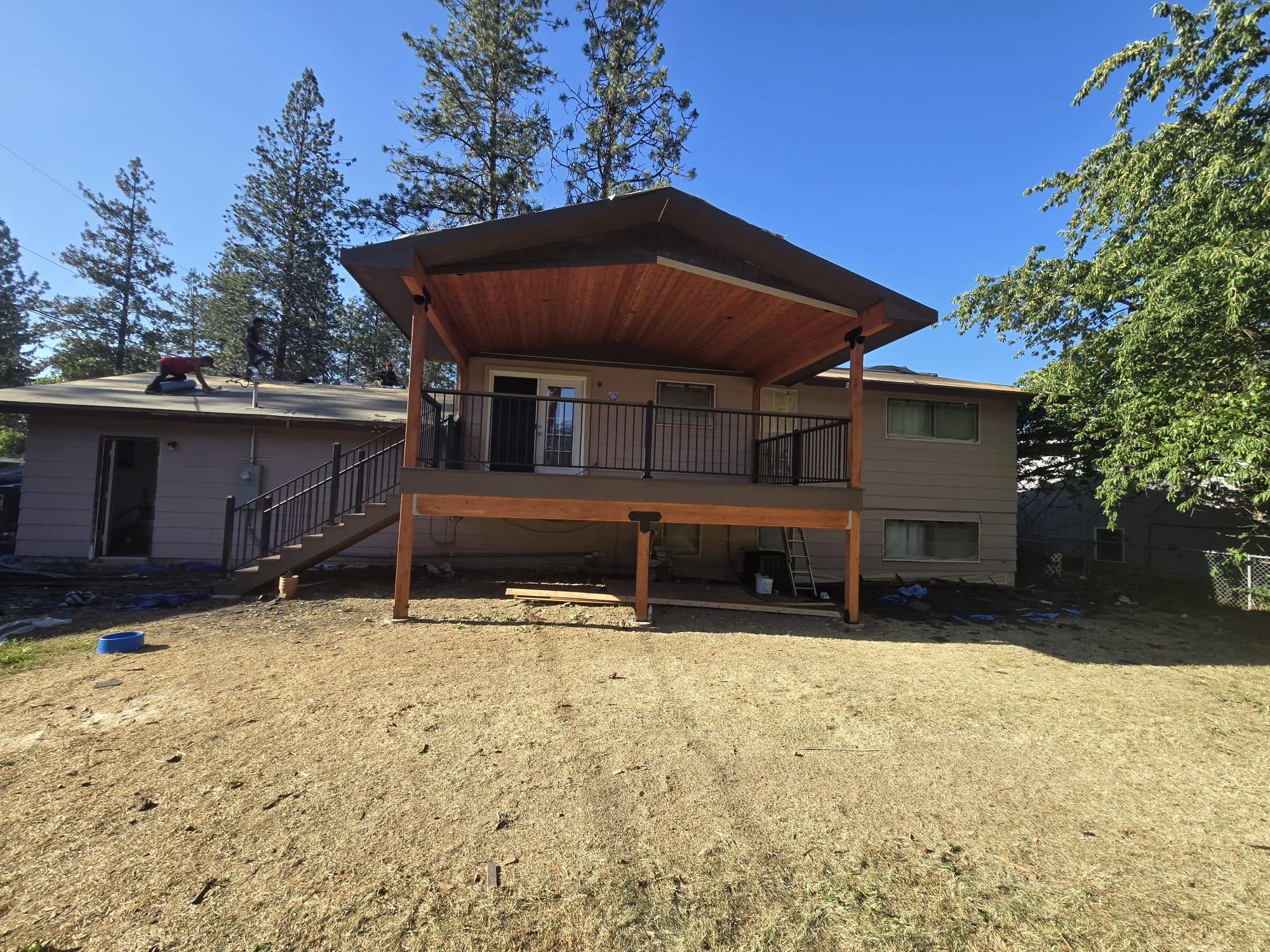
Elevated deck with cedar-ceiling hip cover and black railing on a split-level house, bare dirt yard, pines and blue sky

Related Deck Services

Wood Decking FAQs

What are the benefits of wood deck installation?

Wood provides natural grain, variation, and a surface that can make each deck look distinct. It is a good fit when that character matters and the homeowner is comfortable planning for the upkeep of a natural material.

What types of wood are used by deck builders?

We can discuss cedar, redwood, ipe, tigerwood, cumaru, and pressure-treated boards for the walking surface. Pressure-treated lumber can also go in the frame, so we will make clear which material belongs where in your deck.

Do wood deck contractors offer custom builds?

Yes. We can plan a custom layout and 3D deck model around the property, doors, grade, stairs, seating, railing, and intended use. The selected species and installation details are then coordinated with that design.

What is included in wood decking services?

A new wood deck project can include consultation, site planning, custom design, permit documentation, footings, framing, wood surface boards, stairs, railings, skirting, and related features selected for the design. The estimate should state the exact scope and species for your project.

Who reviews wood deck permits in Idaho Falls?

The City of Idaho Falls Building Division is the local authority for properties within city limits, and it uses Cityworks for permits and inspections. We include permit planning and supported documentation, while the project's location and scope determine the final requirements.

When is wood decking the wrong choice?

Wood is the wrong choice when you want a surface with no natural variation or do not want to plan for maintenance. It is also a poor fit when your main need is staining, sealing, refinishing, or restoration, because those maintenance services are not part of this new-installation page.

Request a Free Estimate

Tell us how you want the deck to look, what you will do out there, and how much upkeep feels reasonable. We will compare the wood choices with you and put the proposed build in writing.